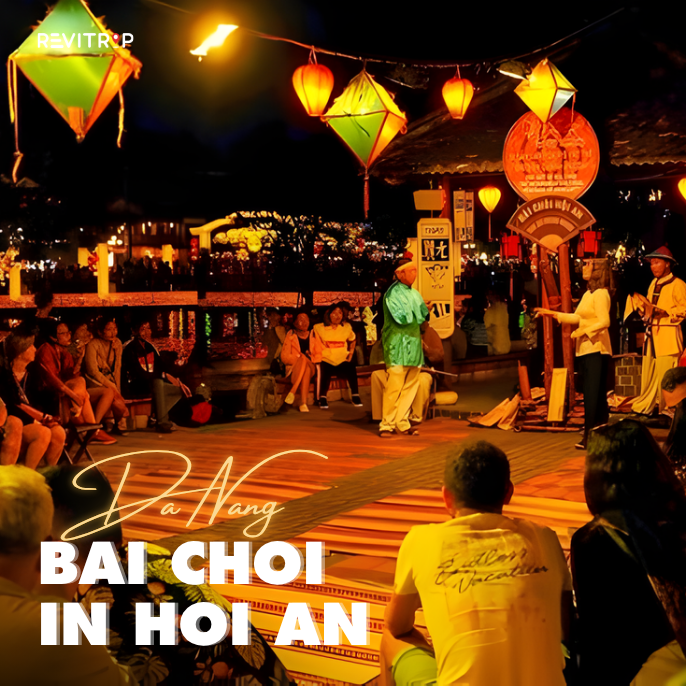
Bai Choi is one of the easiest cultural experiences to miss in Hoi An, even though it often happens right in the middle of the old town’s evening rhythm. As lanterns glow, the Hoai River darkens, and visitors drift toward the night market, a singer’s voice may rise from a small public gathering. There are painted cards, short musical clues, laughter, and the quiet suspense of a folk game unfolding in the open air.
For foreign travelers, Bai Choi may feel unfamiliar at first. The words are Vietnamese, and some of the humor depends on local expression. Still, the energy is easy to follow. The music, gestures, crowd reactions, and rhythm of the game turn a simple night walk into something warmer and more local. It is not a long performance or a formal show. It is a small living tradition that gives Hoi An’s lantern-lit streets a human voice.
At a Glance
| Item | Details |
|---|---|
| Location | Hoi An Ancient Town |
| Best for | Evening culture, families, couples, first-time visitors |
| Heritage type | Intangible cultural heritage |
| Time needed | 30–60 minutes |
| Best time | Evening, after dinner or before the night market |
| Travel style | Folk performance, local game, cultural nightlife |
A Night Game With Music in Its Bones
Hoi An at night is already full of small rituals. Lanterns glow over the river, old yellow walls darken into gold, and the streets move at a slower pace than the daytime crowds. Then a voice rises somewhere near the old town’s evening flow. There is music, a caller, painted cards, laughter, and a circle of people waiting to see if luck will turn in their direction.
That moment is often a traveler’s first encounter with Bai Choi. It may look like a local game from the outside, and in one sense it is. Yet it also carries music, poetry, humor, performance, and the feeling of a communal gathering. The atmosphere is warm and easy to enter, even when the words are unfamiliar.
For foreign travelers in Hoi An, Bai Choi is one of the most accessible ways to experience Vietnamese intangible heritage. You do not need a museum ticket or a long cultural lecture. You only need to stop for a while, listen to the rhythm, watch the cards, and let the evening gather around the performance.
What Is Bai Choi?
Bai Choi is a traditional folk art from Central Vietnam. It combines game-playing with music, spoken verse, singing, acting, and visual cards. During a performance, a caller sings or chants clues linked to specific card images. Players listen carefully, mark their cards, and wait for the moment when a winning combination appears.
The experience can remind foreign visitors of bingo, street theater, folk music, and a local festival happening at the same time. That mix is part of its charm. Bai Choi is structured enough to be a game, yet expressive enough to feel like performance. The caller’s voice carries much of the energy, moving between humor, suspense, melody, and storytelling.
The language is Vietnamese, so visitors may miss some jokes and poetic references. Still, the shape of the experience is easy to follow. The pauses, laughter, reactions, and rising excitement make it enjoyable even when every line is not translated.
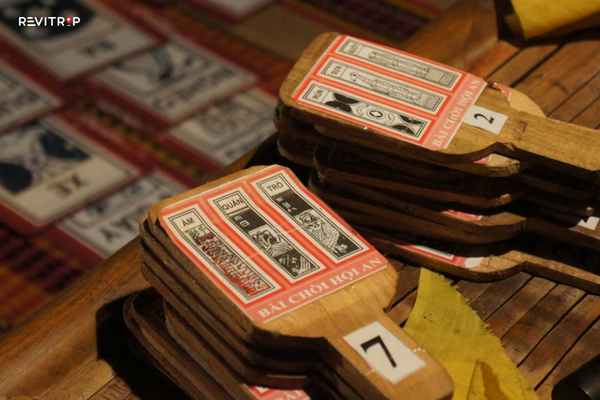
Why Hoi An Is a Good Place to See Bai Choi
Hoi An makes Bai Choi easy to experience because the old town is compact, walkable, and naturally suited to evening activities. You can spend the late afternoon exploring the ancient houses, riverside streets, and lantern shops, then come across Bai Choi as part of your night walk. It feels woven into the town’s atmosphere rather than separated into a formal stage.
This is one reason Bai Choi works so well for first-time visitors. The experience is short enough to add casually, yet meaningful enough to stay in memory. It gives sound and movement to a town many people first understand through photos. Hoi An’s lanterns are beautiful, but Bai Choi adds voices, rhythm, and human warmth.
It is also a good option for travelers who want cultural nightlife without going to a bar or a long indoor show. Families, couples, solo travelers, and small groups can all enjoy it. You can watch from the side or join the game if participation is open.
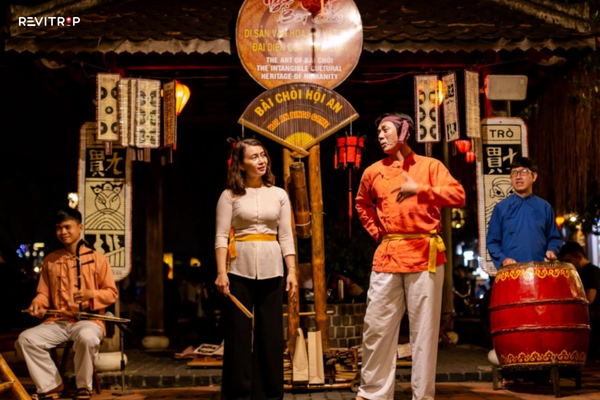
Do You Need to Speak Vietnamese?
You do not need to speak Vietnamese to enjoy Bai Choi. Knowing the language helps with wordplay, jokes, and poetic clues, but the experience has enough visual and musical energy to carry foreign visitors. The caller’s tone, the crowd’s reactions, and the structure of the game are easy to sense.
If you decide to join, someone nearby may help explain the basic rules. Hoi An is used to visitors, so the atmosphere is usually welcoming. Even if you only watch, you can still enjoy the performance as part of the night’s rhythm. Listen to how the caller stretches certain phrases, how the crowd waits, and how quickly the mood changes when someone gets close to winning.
The best approach is to enjoy Bai Choi first as atmosphere. Translation can come later. Let the sound, cards, and crowd lead the experience.
How to Add Bai Choi to a Hoi An Evening
Start your evening before sunset, when Hoi An’s old town begins to shift into its night mood. Walk along the streets while there is still some daylight on the walls, then have dinner nearby. After that, head toward the riverside area or ask locally where Bai Choi is being performed that evening.
Bai Choi fits well before or after the night market. You can watch for 20 minutes, stay for a full round, or join if you feel comfortable. The experience does not need to dominate the whole evening. It works best as a cultural pause between a meal, a lantern walk, and time by the Hoai River.
If your day includes An Bang Beach, a cooking class, or a trip to My Son Sanctuary, Bai Choi can be a gentle way to end the night. It keeps the cultural thread going without making the evening feel heavy.
Tips for Watching Bai Choi
Arrive a little early if you want a better view. Public performances can draw a small crowd, especially during busy travel periods or local festivals. Bring small cash in case there is a participation fee or if you want to join the game. Schedules and exact locations can shift, so it is always worth checking with your hotel, guide, or a local information point.
Keep your expectations relaxed. Bai Choi is a living folk practice, and part of the charm is its open, social feeling. The performance may not follow the polished timing of a theater show, and that is fine. The appeal comes from the caller, the cards, the audience, and the sense of a shared evening.
Take photos respectfully. The setting may be public, but people are still performing, playing, and taking part in a cultural activity. Avoid blocking views, pushing too close, or turning the performance into a backdrop for loud posing.
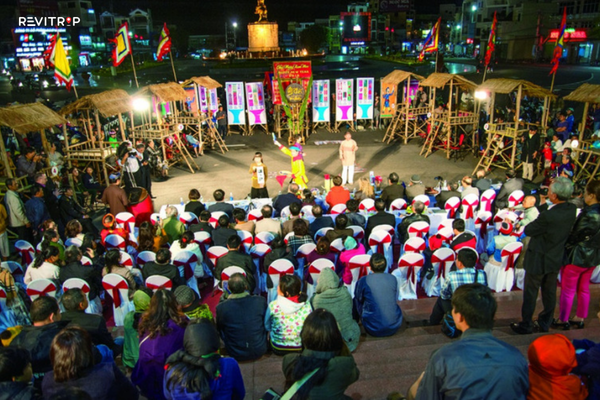
Is Bai Choi Worth Seeing?
Bai Choi is worth seeing if you are spending at least one night in Hoi An. It is short, lively, and easy to access, which makes it one of the simplest cultural experiences to add to your evening. You do not need special preparation, and you do not need to speak Vietnamese to appreciate the mood.
It also gives Hoi An more depth. Many visitors remember the town for lanterns, tailoring, cafés, and riverside photos. Bai Choi adds a folk voice to that memory. It reminds you that heritage is not only architecture and old houses. It can also be a song, a joke, a card, and a crowd waiting for a lucky call.
For families, it is an easy cultural stop. For couples, it adds warmth to an evening walk. For solo travelers, it is a simple way to stand among local life for a while.
FAQ
Bai Choi in Hoi An is a traditional folk game and performance from Central Vietnam. It combines singing, poetry, spoken clues, painted cards, humor, and audience participation. To foreign visitors, it may look a little like bingo mixed with folk theater, but the mood is warmer and more musical.
In Hoi An, Bai Choi is usually experienced in the evening, often around public spaces in or near the ancient town. It fits naturally into a night walk, especially after dinner or before visiting the night market.
Yes. Bai Choi is worth seeing if you want a short, lively cultural experience in Hoi An. It does not take much time, and you do not need a full performance schedule to enjoy it. You can stop for a while, listen to the caller, watch the painted cards, and feel the crowd react as the game unfolds.
For travelers who already plan to explore Hoi An at night, Bai Choi adds a more local layer to the evening. The lanterns bring the visual beauty, while Bai Choi brings voice, rhythm, humor, and community.
No. Tourists do not need to speak Vietnamese to enjoy Bai Choi. Understanding Vietnamese helps with the jokes, wordplay, and poetic clues, but the performance is still enjoyable through sound, rhythm, expressions, cards, and crowd reactions.
The best way to approach it is to enjoy the atmosphere first. Watch how the caller performs, how players wait for the next clue, and how the crowd responds when someone gets close to winning. Even without understanding every word, the energy is easy to follow.